
A Streetcar Named Desire
Basic Facts
"A Streetcar Named Desire" is a play written by Tennessee Williams, first performed on Broadway on December 3, 1947. It belongs to the Southern Gothic genre and is set in a dilapidated tenement in the French Quarter of New Orleans. The play won the Pulitzer Prize for Drama in 1948 and is considered one of the most influential works of 20th-century American theater.
Plot Outline
Blanche DuBois, a fading Southern belle from Laurel, Mississippi, arrives at the home of her younger sister Stella and brother-in-law Stanley Kowalski. She has lost their ancestral plantation, Belle Reve, and suffered a series of personal tragedies. Dressed in white and affecting a delicate manner, Blanche soon clashes with the brutish, working-class Stanley, who resents her pretensions. Stanley investigates Blanche's past and discovers her history of promiscuity and a scandal that led to her dismissal from her teaching job. He reveals this to Blanche's suitor, Mitch, destroying their relationship. On the night Stella gives birth, Stanley rapes Blanche, driving her into madness. Stella, torn between loyalty to her sister and her husband, allows Blanche to be committed to a mental institution. The play ends with Blanche's tragic departure, clinging to the fantasy that she is going on a cruise with a wealthy admirer.
Core Themes
The play explores the conflict between illusion and reality, embodied by Blanche's desperate romanticism versus Stanley's brutal pragmatism. The streetcar named Desire leading to a stop called Cemeteries symbolizes the destructive path from sexual desire to death. Other themes include the clash of old Southern aristocracy with immigrant-driven modernity, the fragility of the human psyche, domestic violence, and the social pressures that force women into dependence. The play also examines how memory and trauma shape identity.
Writing Background
Williams was deeply influenced by his sister Rose, who was diagnosed with schizophrenia and underwent a lobotomy, leaving her permanently incapacitated. Blanche's mental instability and eventual institutionalization mirror Rose's fate. Williams himself struggled with his homosexuality and depression, channeling his own sense of alienation into the character. The play was written in the aftermath of World War II, when American society was grappling with rapid change. Williams captured the hunger for authentic life and the revolt against social hypocrisy that he felt defined the era.
Influence and Legacy
"A Streetcar Named Desire" revolutionized American drama with its poetic language, psychological depth, and raw emotional power. The 1951 film adaptation starring Vivien Leigh and Marlon Brando became a cinematic landmark. The play continues to be performed worldwide, with directors reinterpreting it through lenses of feminism, queer theory, and race. It remains a staple of high school and university curricula, and its characters—especially Blanche and Stanley—have entered the cultural lexicon as archetypes of fragile beauty and brute masculinity.
About the Author
Early Life and Education
Tennessee Williams was born Thomas Lanier Williams III on March 26, 1911, in Columbus, Mississippi. His father, Cornelius Coffin Williams, was a traveling salesman often absent and prone to outbursts; his mother, Edwina Dakin, was the daughter of an Episcopal minister and raised him with genteel Southern values. Young Williams was a sickly child, frequently confined indoors, and developed a close bond with his older sister Rose, who would later be diagnosed with schizophrenia and undergo a lobotomy—a tragedy that haunted him for life. He attended the University of Missouri, but his father pulled him out to work in a shoe factory. After a nervous breakdown, he resumed his education at Washington University in St. Louis and finally earned a B.A. in English from the University of Iowa in 1938.
Major Works and Career
Williams began writing plays in the 1930s, but his first major success came with "The Glass Menagerie" (1944), an autobiographical work about a struggling family, which won the New York Drama Critics’ Circle Award. "A Streetcar Named Desire" (1947) secured his reputation, winning the Pulitzer Prize. It was followed by "The Rose Tattoo" (1951, Tony Award), "Cat on a Hot Tin Roof" (1955, second Pulitzer Prize), and "The Night of the Iguana" (1961, another Critics’ Circle Award). His later works, including "The Milk Train Doesn't Stop Here Anymore", explore themes of decay and desperation. Williams also wrote screenplays, short stories, and a memoir, but his plays remain his most enduring legacy.
Personal Life and Death
Williams was openly gay, a fact that influenced his writing but also caused him personal turmoil. He had significant relationships with Pancho Rodríguez and Frank Merlo, whose death from cancer in 1963 triggered a long period of depression and substance abuse. Williams died on February 25, 1983, at the age of 71, after choking on a bottle cap in his New York City hotel room. He was buried in St. Louis, Missouri.
Legacy
Considered one of the greatest playwrights of the 20th century, Williams is celebrated for his poetic dialogue, psychological complexity, and compassion for outcasts. His works have been adapted into multiple award-winning films and are performed worldwide. The Tennessee Williams Festival in St. Louis and the annual Tennessee Williams/New Orleans Literary Festival continue to honor his life and art.
StoryFlow
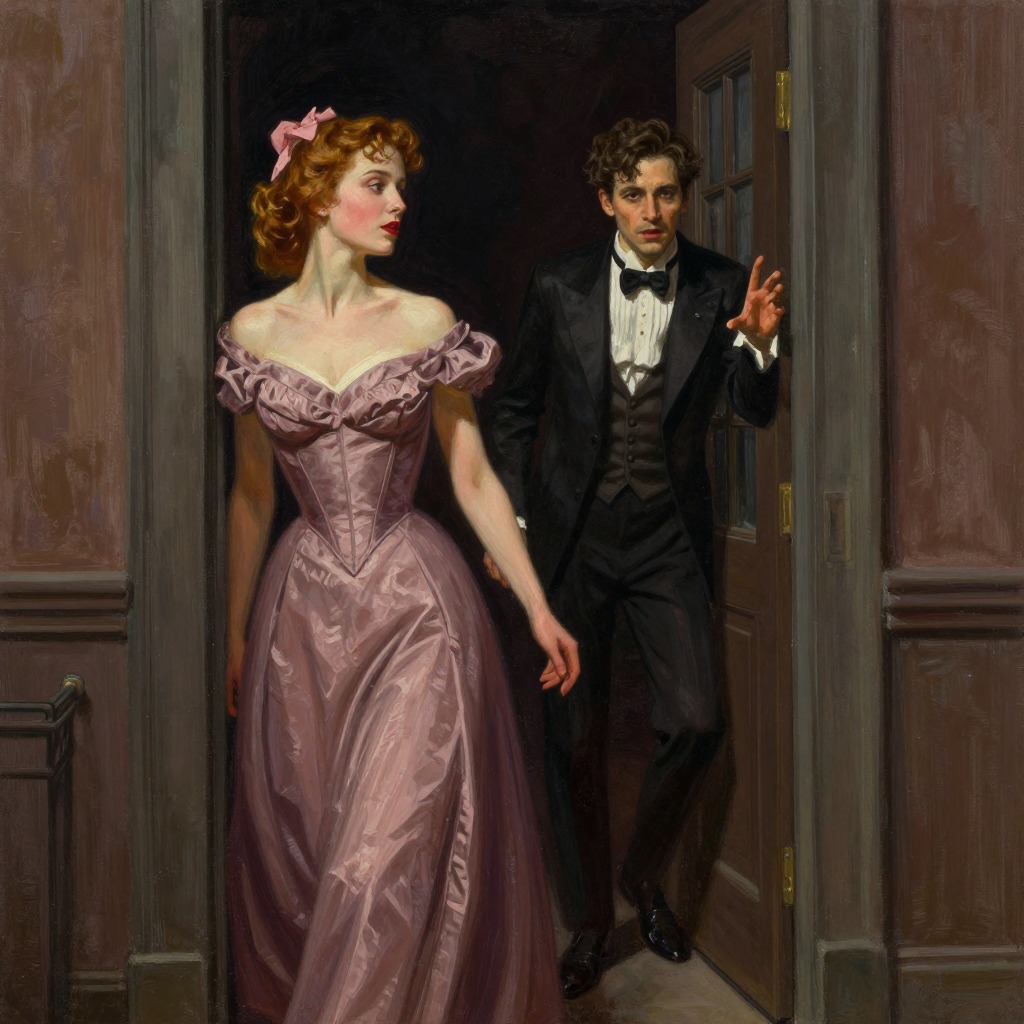
Blanche's Arrival and Descent
Blanche DuBois arrives in New Orleans seeking refuge, but her fragile illusions and hidden past lead to a devastating confrontation with reality.
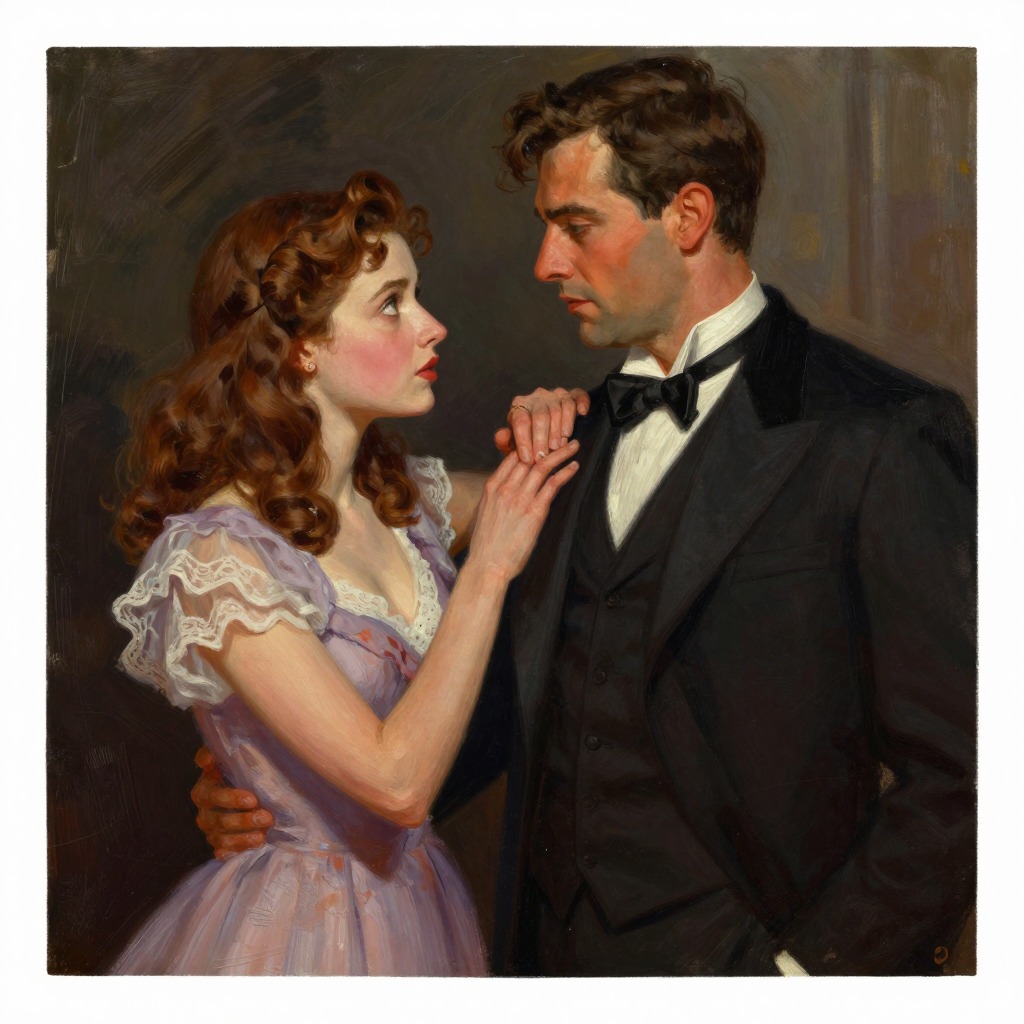
Stella's Choice Between Sister and Husband
Stella Kowalski is torn between loyalty to her sister Blanche and her passionate commitment to her husband Stanley, ultimately choosing the latter.
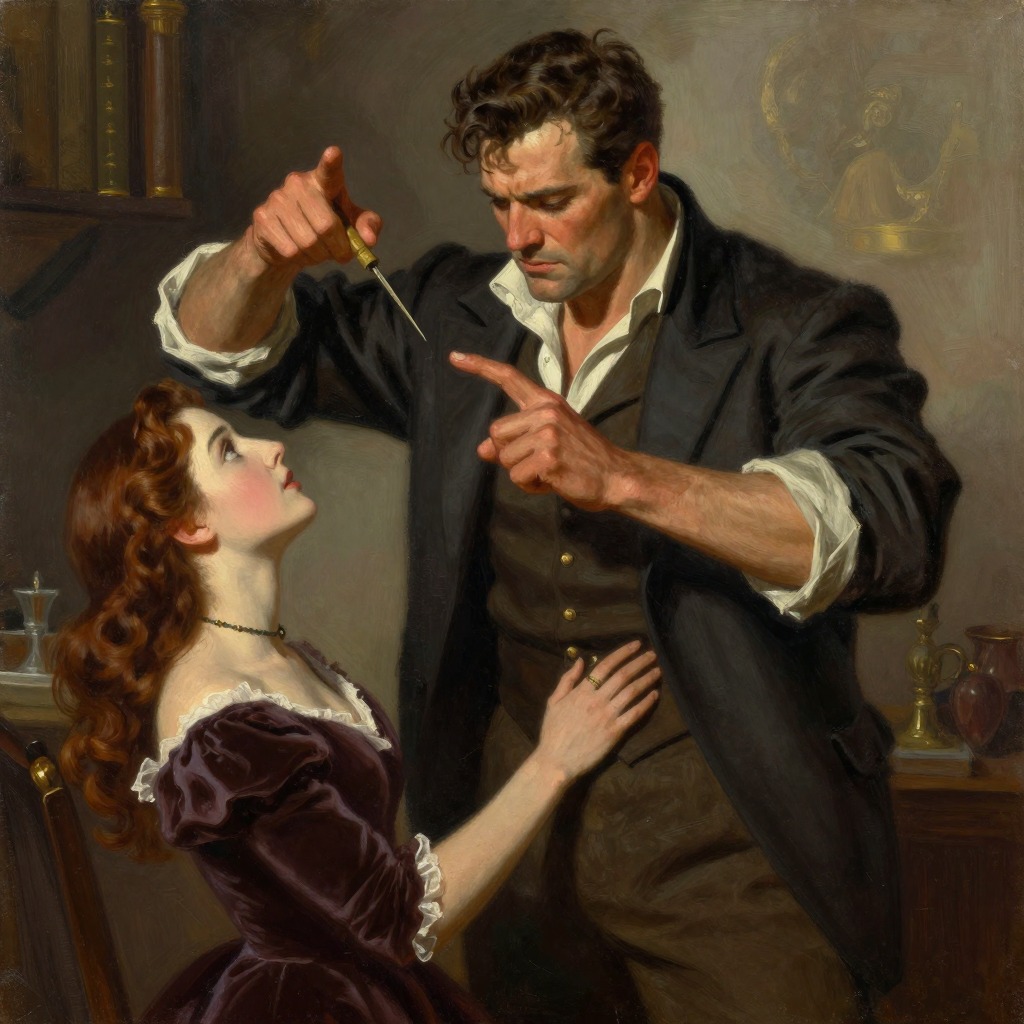
Stanley's Assertion of Dominance
Stanley Kowalski, a man of primal force, systematically dismantles Blanche's illusions to protect his territory and reaffirm his power.
